



Thyroid Health Test Kit
The U-Test Thyroid Health Test Kit is a thyroid test kit for home use that screens thyroid-stimulating hormone (TSH), a marker involved in thyroid assessment. It gives a screening result; it does not measure T3 or T4 and cannot diagnose an underactive or overactive thyroid.
What a TSH screen can and cannot tell you
TSH is one part of a thyroid assessment. Symptoms, medical history and laboratory blood tests may also be needed. The NHS describes thyroid assessment using blood tests such as TSH and thyroxine (T4). A home result should not be used to start, stop or change treatment.
If your result is abnormal, you have symptoms, or you remain concerned, speak with your GP. Read the NHS underactive thyroid guide and its overactive thyroid testing information.
Using the kit
Check the current kit instructions for the sample method, result threshold and exact reading time. The product packaging states a 10-minute result time. Read the result only within the leaflet’s stated window; this self-test is a screen, not a laboratory test or diagnosis.
Thyroid test questions
How does a thyroid test at home work?
You give a finger-prick blood sample and the kit screens your TSH level. The pack states a 10-minute result. Follow the leaflet for the exact steps and reading time.
Does this test diagnose hypothyroidism or hyperthyroidism?
No. It screens for TSH only. A healthcare professional may need symptoms, history and laboratory tests including TSH and T4 to assess thyroid function.
Can it explain tiredness or weight changes?
No. These symptoms have many possible causes. Discuss persistent symptoms with a GP even if a home result is within the kit’s stated range.
What should I do with an abnormal result?
Contact your GP for advice about clinical assessment and laboratory testing. Do not change prescribed thyroid medicine based on this result.
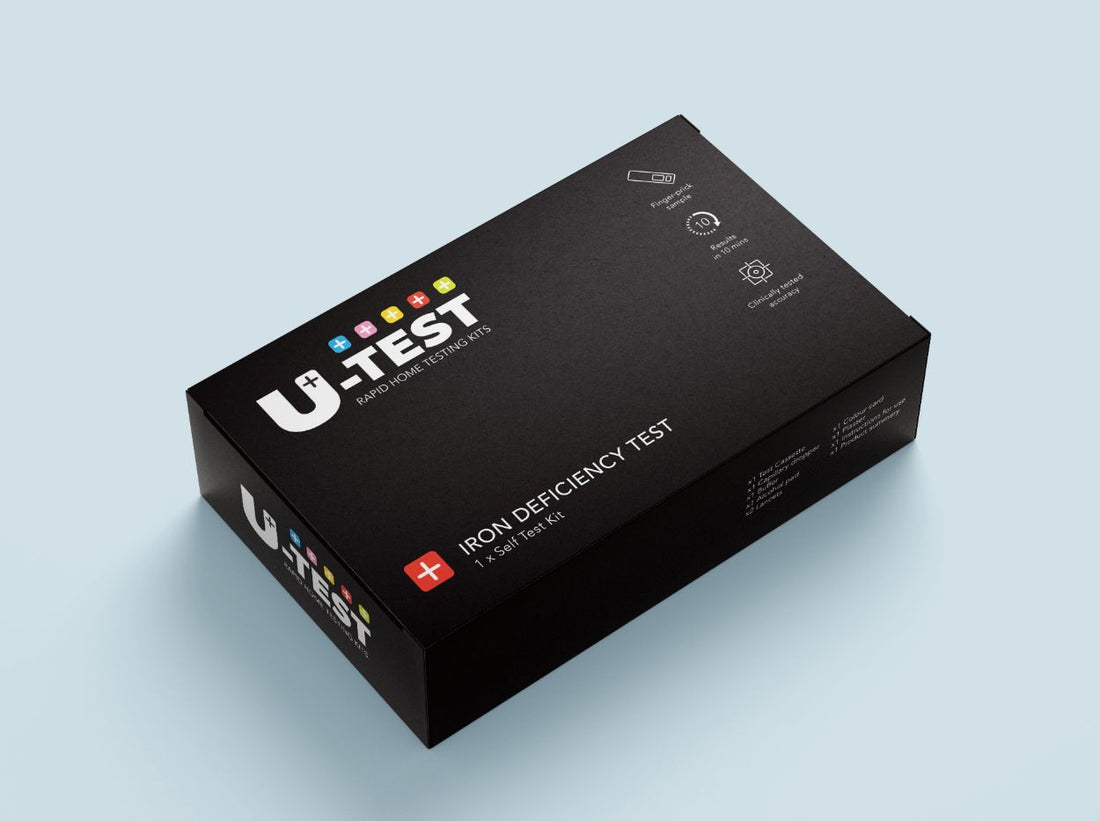
For related checks, see the Iron Deficiency Test and the Vitamin D Test; each screens a different marker.
Delivery information
What a home TSH screen can and cannot tell you
1. Screens for TSH
1. Screens for TSH
This kit screens for thyroid-stimulating hormone (TSH), one marker used in thyroid assessment. It does not diagnose hypothyroidism or hyperthyroidism.
2. TSH is one part of assessment
2. TSH is one part of assessment
A clinician may consider symptoms and laboratory tests, including TSH and thyroxine (T4). A home screening result is not a laboratory result.
3. Symptoms need context
3. Symptoms need context
Tiredness, weight changes and hair loss have many possible causes. Discuss persistent symptoms with your GP even if a home result is within the kit’s stated range.
4. Follow the kit instructions
4. Follow the kit instructions
The product packaging states a 10-minute result time. Use the sample method and reading window in the instructions supplied with your kit.
5. Ask about an abnormal result
5. Ask about an abnormal result
Contact your GP if the result is abnormal or you remain concerned. Do not start, stop or change thyroid medicine based on this screen.
6. Read NHS information
6. Read NHS information
See the NHS underactive thyroid guide and its overactive thyroid testing information.
How it works
Find your test
Check what this at-home TSH screen measures and read its limits before use.

Take your test
Use the sample method and result window described in the instructions supplied with the kit.

Monitor your health
A home screening result is not a diagnosis. Discuss symptoms or an unexpected result with a healthcare professional.