









Featured collection
How it works
Find your test
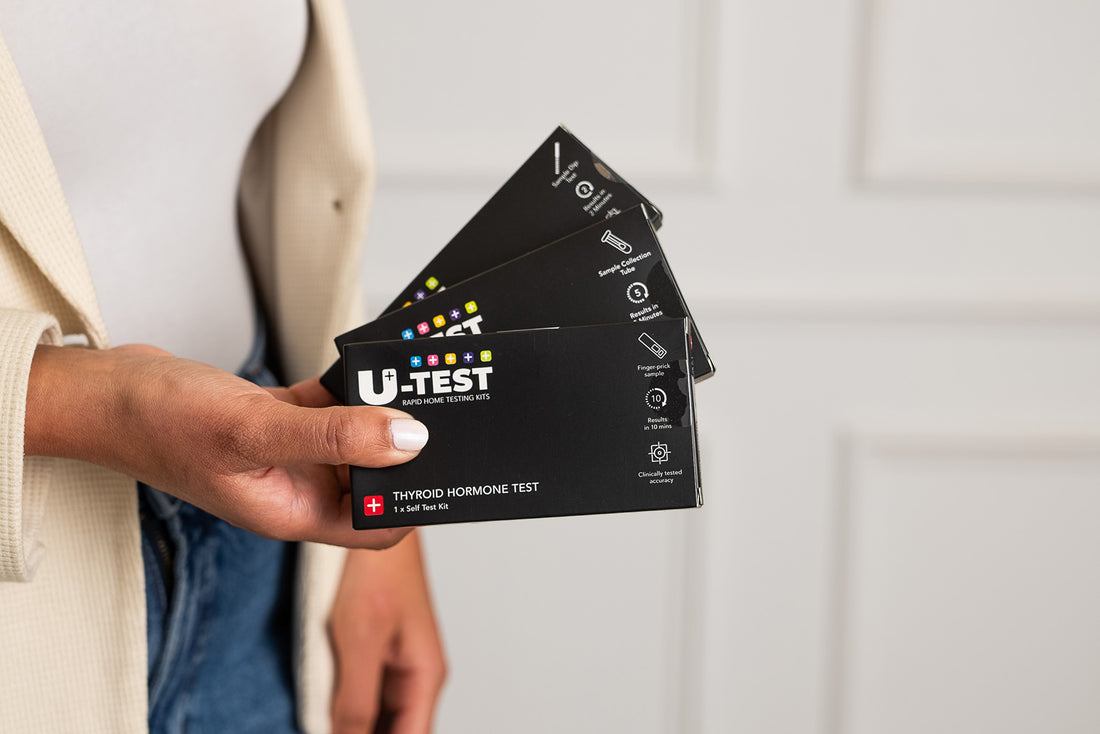
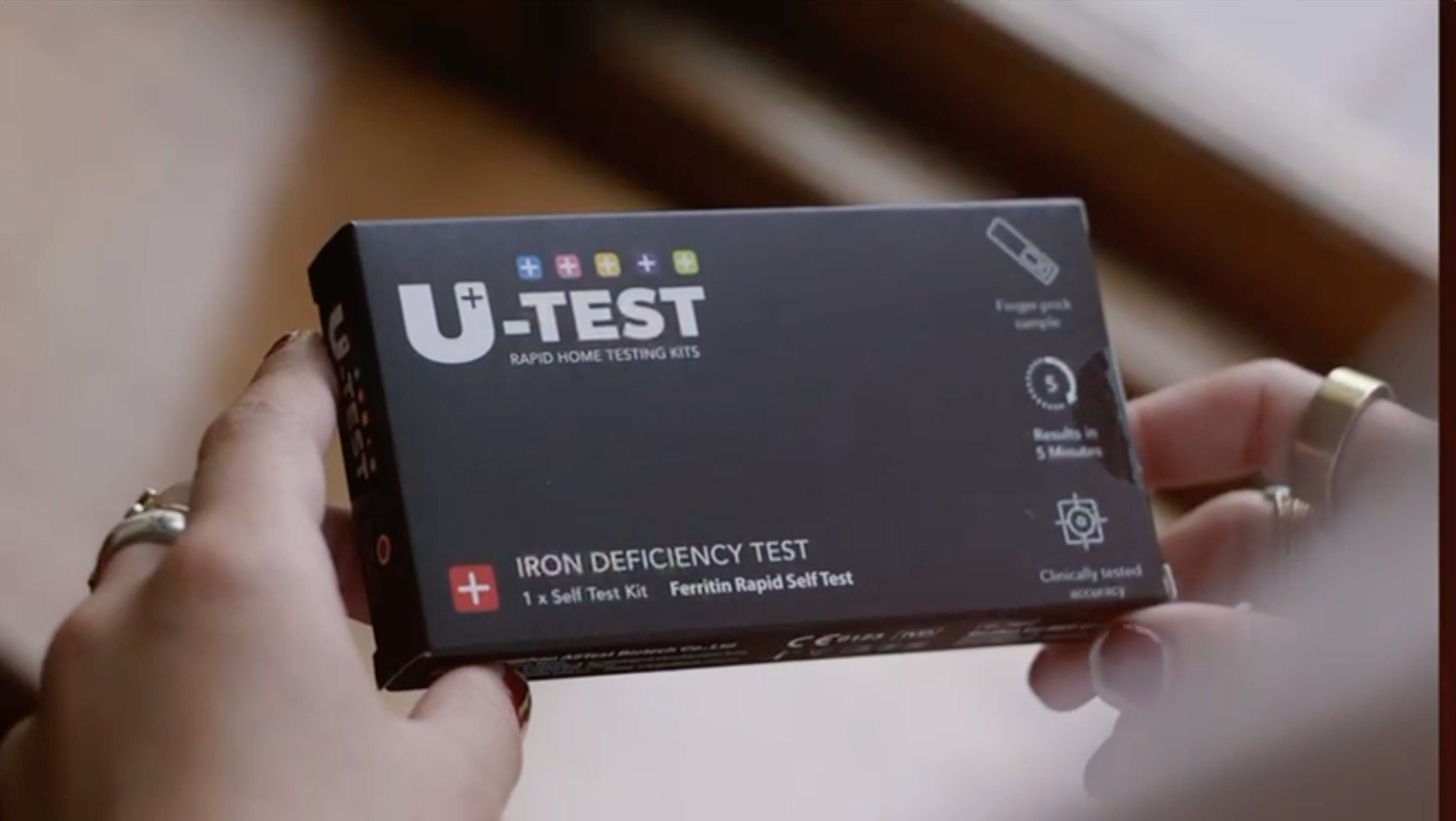
Choose from our range of user-friendly self-tests or take our free quiz to be expertly matched with the right tests for you.
Take your test
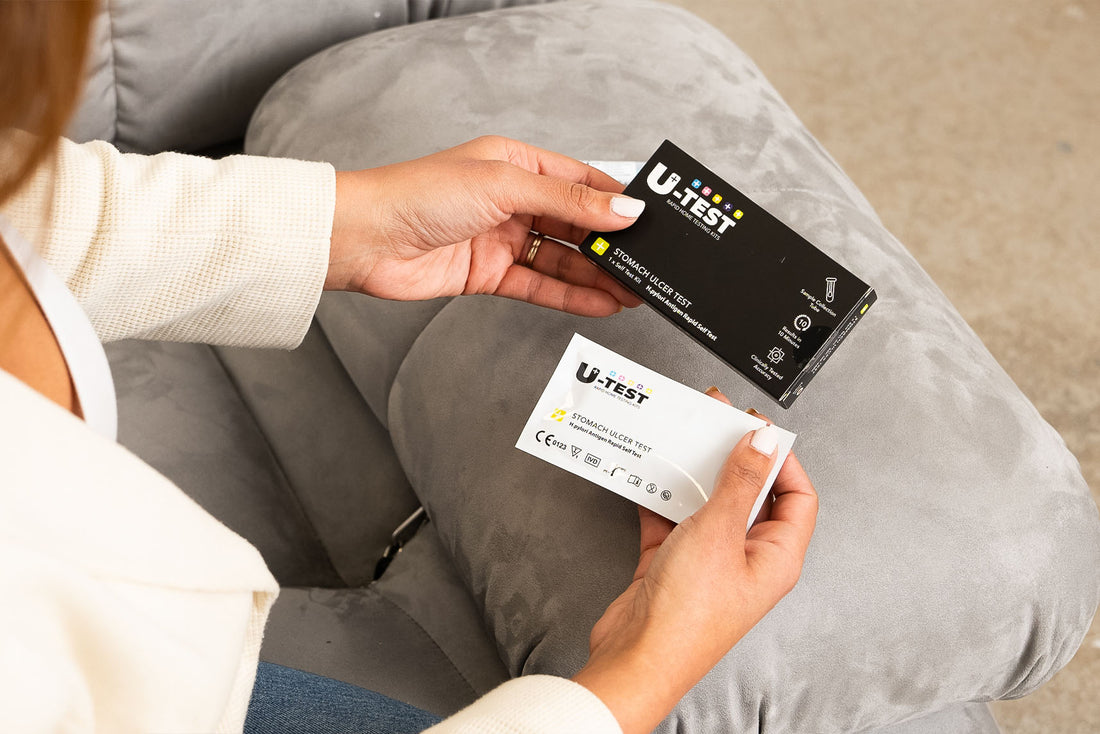
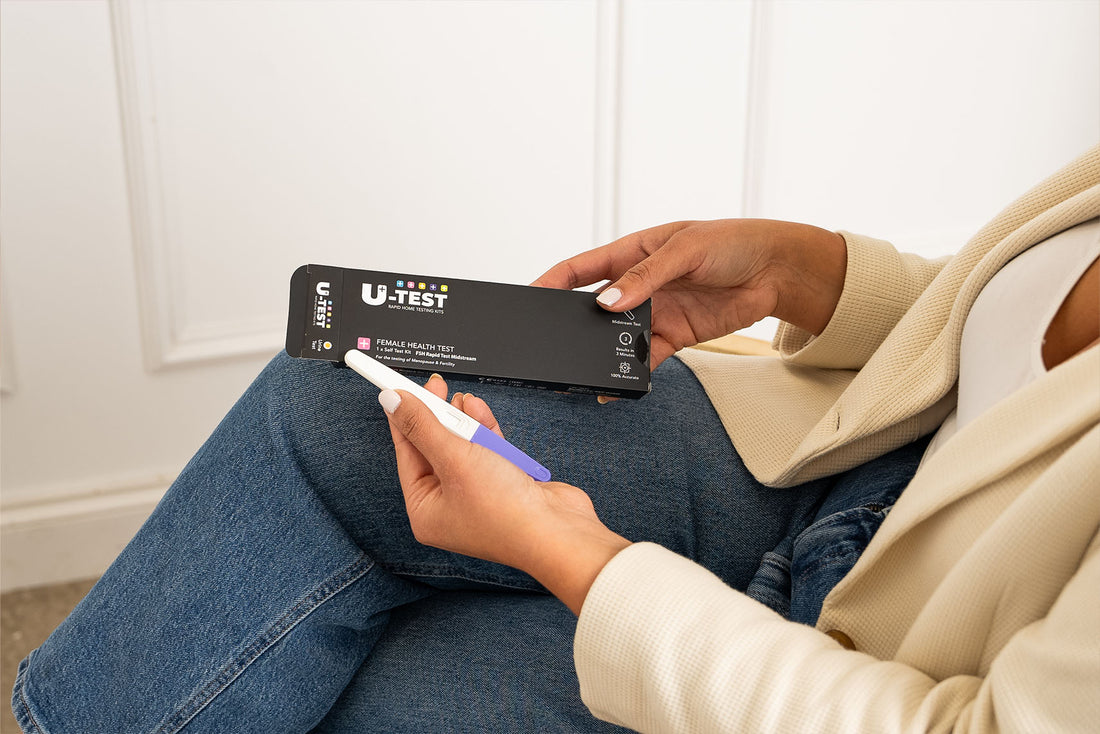
Receive your test and follow the step-by-step instructions for accurate, reliable results in minutes, all without having to leave your home.
Discuss your results with a GP
Record your test result and follow the guided aftercare advice. U-Test offers immediate access to a designated doctor service.
Browse our tests
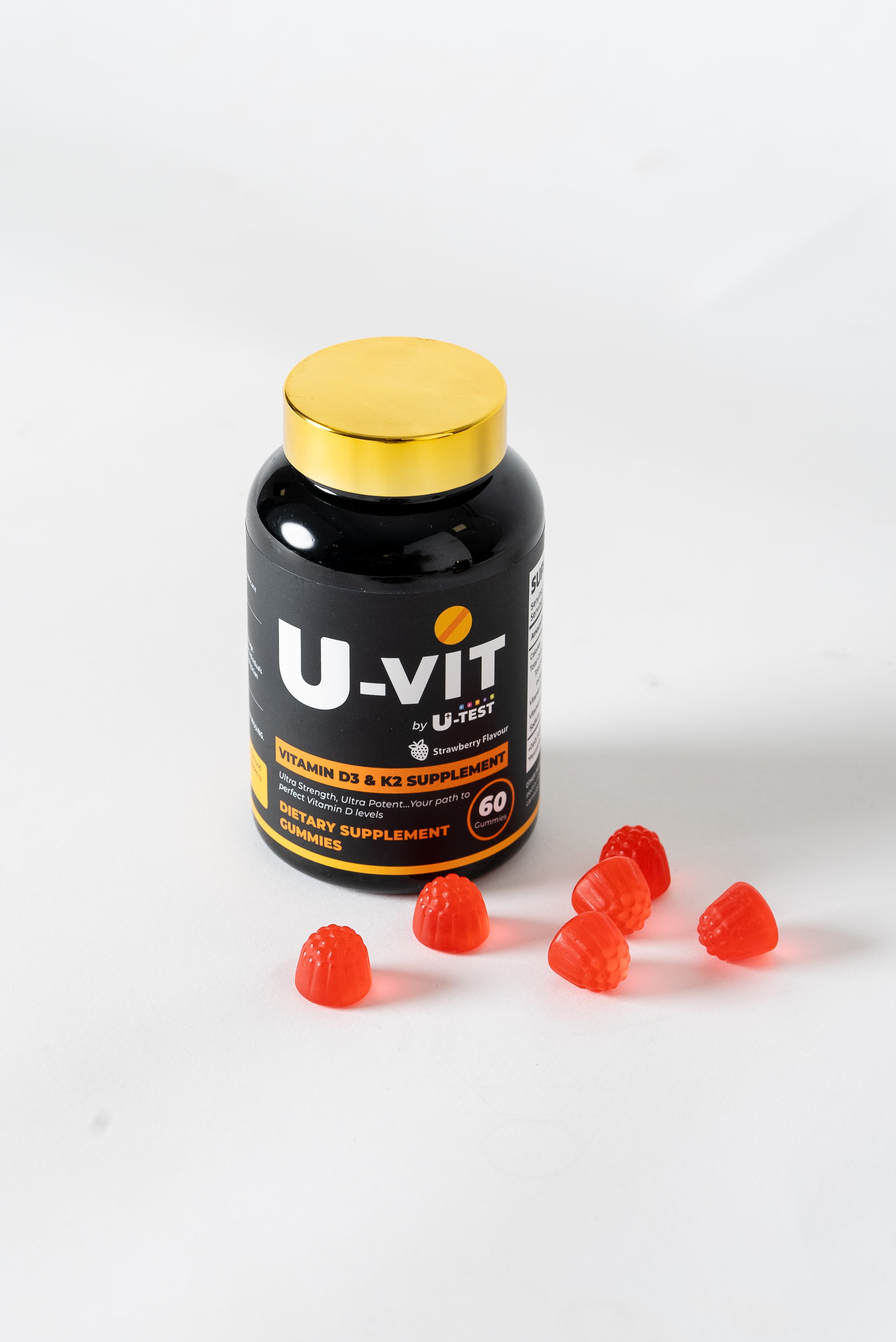
Boost Your Vitamin D Levels Daily
Feel your best with the powerful combination of Vitamin D3 and K2 — now in a delicious, natural strawberry-flavoured gummy. Whether you’re managing a deficiency or simply maintaining healthy levels, U-VIT makes it easy to support your immunity, bones, and overall wellbeing

Let's find the right self-test for you.
Take our free quiz to be expertly matched with the right tests for you.
News
Should the NHS Lower the Breast Cancer Screening Age?
Should the NHS Lower the Breast Cancer Screening Age? A Nurse’s Call for Change and What It Means for Early Detection A recent campaign by a chemotherapy nurse in Kent has sparked fresh debate around how the NHS approaches breast cancer screening — especially for younger women. The nurse, who has witnessed a rise in breast cancer cases among patients under 50, is urging policy changes to lower the age at which routine mammograms begin. This call follows years of discussion around early detection and how health systems can better protect women at risk of developing breast cancer earlier in life. In this blog, we’re breaking down what this proposed change means, why it matters for public health, and how it connects to broader trends in cancer detection and treatment. What Is the Current NHS Breast Cancer Screening Policy? Under the NHS’s current breast cancer screening programme, women are routinely invited for their first mammogram between the ages of 50 and 53, with further screenings every three years until age 71. This age range is based on historical evidence showing that breast cancer incidence increases with age. Screening aims to detect possible cancers before symptoms appear, improving the chance of successful treatment. According to NHS data, routine screening prevents around 1,300 deaths each year in the UK and detects thousands of cancers early. But critics argue these guidelines may miss younger women who develop breast cancer — sometimes at a more aggressive pace — and who fall outside the current eligibility. Why Some Nurses and Experts Are Calling for Change The Kent nurse’s appeal centres on an observed increase in younger patients diagnosed with breast cancer, including women under 50. She argues that earlier screening could catch disease sooner, potentially saving lives and reducing the burden of advanced cancer treatment. Her comments reflect wider concerns in the healthcare community: Young women can and do get breast cancer — though rates are lower than in older groups, the disease can be more aggressive and harder to catch early without routine checks. Symptoms in younger patients may be overlooked because they fall outside standard screening ages. Earlier detection often means better outcomes — catching cancer at an earlier stage typically increases treatment options and survival rates. These points align with ongoing research and debates in the UK and internationally about expanding or personalising screening programmes to reflect individual risk levels. What Research Says About Early Detection and Screening Under 50 There’s growing momentum behind the idea that screening could be more effective if it accounted for individual risk factors like family history, genetics, and lifestyle — rather than applying a single age cutoff to everyone. Recent NHS-linked trials and projects are offering a glimpse of what more personalised approaches could look like. For example: A major NHS-run study is trialling breast cancer checks for women in their 30s. This involves comprehensive risk assessment, including DNA analysis and lifestyle questionnaires, to identify higher-risk women who may benefit from earlier monitoring. Early findings suggest around one in five women in their 30s may be at elevated risk and could benefit from targeted checkups before age 50. Such initiatives don’t yet change national policy, but they do illustrate a shift towards data-driven and risk-based screening, rather than purely age-based models. The Bigger Picture: NHS Policy, Public Health, and Cancer Awareness Calls to lower the breast cancer screening age are part of broader conversations around NHS services and how they can adapt to evolving health needs. A few notable points: 1. Screening uptake still needs improvement Despite the proven benefits of early detection, NHS data shows that screening attendance remains below pre-pandemic levels, particularly among first-time invitees. 2. Public awareness and education are key Early diagnosis often depends on both routine screening and individuals recognising symptoms early — such as unusual lumps, changes in breast shape, or skin texture changes — and seeking medical advice promptly. 3. Other cancers are also seeing age-based screening changes The NHS recently lowered the age for routine bowel cancer screening from 60 to 50 after sustained campaigning by advocates and charities. This change is already expanding access to early detection. These trends reflect a growing health-policy focus on prevention, early detection, and personalised medicine — rather than reactive treatment alone. What Lowering the Screening Age Could Mean Lowering the routine mammogram age to, say, 40 or even younger, as some advocates suggest, could have both benefits and challenges: Potential Benefits Earlier detection of cancers in younger women, potentially improving survival rates. Increased awareness and proactive health behaviours among patients and clinicians. A more personalised approach to risk, moving beyond a one-size-fits-all age bracket. Challenges and Considerations Screening technology limitations: Mammograms are less effective in younger women because denser breast tissue can make imaging harder to interpret accurately. This technical challenge is one reason age 50 has traditionally been the screening starting point. Resource implications: Expanding the screening programme would require more staffing, equipment, and funding — a complex undertaking given NHS capacity constraints. False positives: Younger populations may experience a higher proportion of false alarms from screening, leading to unnecessary follow-ups and anxiety. These factors are often at the heart of policy discussions in government and public health circles. The Role of Advocacy and Patient Voices One of the important takeaways from this nurse’s campaign is the value of clinical and patient voices in health policy debates. Nurses, doctors, patients, and advocacy groups often bring real-world insights into how services operate on the ground — insights that can help shape smarter, more effective strategies. Over time, advocacy has influenced cancer care before: for example, bowel cancer screening changes and the expansion of access to support services for patients. Similar momentum now exists for breast cancer screening innovations and broader discussions around personalised health checks. Your Health Matters: What You Can Do Whether or not screening policies change soon, there are several steps individuals can take to stay informed and proactive about their breast health: ✔ Know Your Body Familiarise yourself with what’s normal for you and seek medical advice if you notice changes. ✔ Attend Screening Invitations If you’re eligible for NHS breast screening, attending routine appointments can catch issues early. ✔ Talk to Your GP If you have a family history of breast cancer or other risk factors, talk to a healthcare provider about personalised screening options. ✔ Raise Awareness Sharing information with friends and family helps boost understanding about breast cancer risks and the importance of early detection. Final Thoughts The Kent nurse’s call for major NHS change isn’t just about adjusting an age limit — it’s part of a wider conversation about how healthcare systems can evolve to meet changing risks and expectations. As research progresses and public health policies adapt, the goal remains the same: catch cancer early when it’s most treatable, improve outcomes, and support individuals with accessible, effective care. For many people, this debate highlights the importance of early detection, informed decision-making, and patient advocacy in shaping the future of health services.
Learn moreIntroducing U-Test Pharmacy: Treatment, Made Simple
U-Test Pharmacy: Online Prescription Treatments, Delivered Discreetly U-Test Pharmacy makes accessing prescription treatments simple, private, and convenient. Whether you’re following up after an at-home test or managing your health proactively, our online pharmacy gives you fast access to clinician-approved medication — without GP appointments or long waiting times. Everything is handled securely online, with discreet home delivery across the UK. What Is U-Test Pharmacy? U-Test Pharmacy is a UK-based online pharmacy providing safe, regulated prescription treatments. All medications are approved by qualified medical professionals and supplied by UK-registered pharmacies, ensuring the highest standards of care. Our service is designed to remove common barriers to treatment — no clinics, no awkward conversations, and no unnecessary delays. How U-Test Pharmacy Works Getting treatment online is quick and straightforward: Select your treatment Browse a range of prescription medications online. Complete a medical questionnaire Answer a short, confidential health assessment. Clinician review & approval A licensed prescriber checks your suitability for treatment. Discreet delivery to your door Medication arrives in plain, unbranded packaging. This process ensures safe prescribing while keeping everything fast and private. Why Choose U-Test Pharmacy? Clinician-approved prescriptions Every treatment is reviewed by qualified healthcare professionals. Discreet & confidential service From checkout to delivery, your privacy is protected. No GP appointments required Avoid waiting rooms and manage your health online. UK-regulated pharmacy All treatments meet UK medical and regulatory standards. Fast home delivery Get your medication delivered directly to you. Testing and Treatment in One Trusted Platform U-Test Pharmacy works seamlessly alongside U-Test’s at-home testing services, allowing you to move from results to treatment without delays. Whether you’re treating an STI or managing another condition, everything is handled in one secure, easy-to-use platform. Access U-Test Pharmacy Today Take control of your health with safe, reliable online treatment. 👉 Visit U-Test Pharmacy https://u-test.co.uk/pages/pharmacy Your health. Your privacy. Your control.
Learn moreNew Year, New You… But What About the Morning After?
New Year’s Eve is famous for being the ultimate “all bets are off” night. Late nights turn into early mornings, celebrations go a bit further than planned, and resolutions don’t officially begin until after the hangover clears. And while January is all about fresh starts, gym sign-ups, and healthier habits, there’s one thing many people forget to think about — their health after the festivities. If your New Year’s Eve celebration was on the wild side, now might be the perfect time to stop, reset, and get tested. Did You Have a Crazy NYE Celebration? You’re definitely not alone. The festive period is packed with parties, social events, alcohol, and situations where boundaries can get blurry. Add in the excitement of a brand-new year and it’s easy to make choices you wouldn’t normally make in everyday life. That could mean: Unprotected sex A one-night stand Multiple partners over the festive season Or simply uncertainty about what happened Even if everything felt fine at the time, those moments can sometimes leave you with lingering questions once the confetti’s cleared. Why Testing After New Year Is So Important Many health conditions — especially sexually transmitted infections — don’t always show immediate symptoms. In fact, it’s very common to feel completely fine while something is quietly going on in the background. Testing after New Year allows you to: Identify issues early, before they develop further Avoid unknowingly passing something on Get peace of mind so you can move forward confidently Start the year informed, not anxious Think of it as part of your January reset — just like cutting back on drinking, sorting your sleep routine, or finally tackling your wellbeing properly. Peace of Mind Is a Powerful Thing One of the biggest benefits of getting tested isn’t just the results — it’s the relief that comes with knowing. No second-guessing. No Googling symptoms at 2am. No unnecessary stress hanging over your head. Whether your results come back clear or highlight something that needs attention, knowledge puts you back in control — and that’s exactly what a fresh start should feel like. Discreet, At-Home Testing That Fits Real Life Let’s face it — booking appointments, taking time off work, or sitting in waiting rooms isn’t always realistic, especially in January when life is already busy. U-Test’s at-home test kits are designed to be: Simple and easy to use Discreetly delivered to your door Completed in the privacy of your own home A stress-free alternative to clinic visits From sexual health testing to general health MOTs, U-Test offers a range of options to help you understand what’s happening inside your body — without the awkwardness. Testing Isn’t About Panic — It’s About Responsibility There’s a common misconception that getting tested means something has gone wrong. In reality, it’s quite the opposite. Testing shows: You care about your health You respect your partners You’re proactive, not reckless You’re taking responsibility for your wellbeing It’s not about guilt or fear — it’s about being informed and confident. Make Health Your First Resolution of the Year New Year’s resolutions often focus on big promises: getting fitter, eating better, saving money. But one of the simplest and most impactful resolutions you can make is choosing to look after your health. If your New Year’s Eve was a little too memorable, take this as your sign. 🎆 New year. Fresh start. Clear answers. Because the best way to start the year isn’t guessing — it’s knowing.
Learn more